
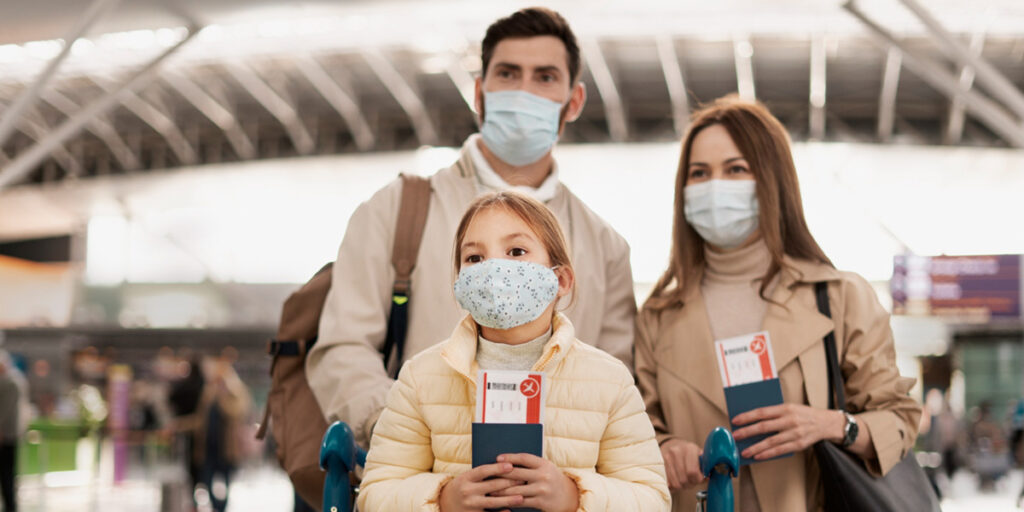
Travel is one of life’s great pleasures, but a little preparation before you go can make a significant difference to your health while you are away. A good travel health plan is not just about vaccines. It also includes malaria prevention, insect bite avoidance, food and water hygiene, medication planning, travel insurance and knowing what to do if you become unwell abroad.
Check the right travel advice before you go
Before travelling, I recommend checking the TravelHealthPro website, which provides country-specific travel health advice for people travelling from the UK. Its country pages include information on recommended vaccines, malaria risk, outbreaks, insect-borne infections, altitude, food and water safety, and other destination-specific issues.
It is also sensible to check the GOV.UK Foreign Travel Advice pages for your destination, as these include entry requirements, safety and security information, local laws and health risks.
When checking a country page, look carefully at the whole itinerary. Risk can vary within the same country. A city break, a rural stay, a safari, a beach resort, a jungle trek and a family visit may all carry different health considerations.
Book your travel health appointment early
Ideally, book a travel health appointment at least 4–6 weeks before you travel. Some vaccines take time to work, and some require more than one dose. Even if you are travelling at short notice, it is still worth seeking advice, as there may be useful vaccines, malaria prevention, or practical measures that can be arranged before departure.
Please bring your itinerary, dates of travel, vaccine history, medical conditions, medication list, allergies and pregnancy status if relevant. Travel health advice should be personalised; it is not simply a tick-box list of vaccines.
Why vaccines matter
Travel vaccines help protect against infections that may be uncommon in the UK but more common in other parts of the world. Depending on your destination and activities, these may include hepatitis A, typhoid, tetanus boosters, hepatitis B, rabies, Japanese encephalitis, tick-borne encephalitis, cholera, meningitis ACWY, yellow fever or others.
Some vaccines are recommended for your personal protection, while others may be required for entry into certain countries. Yellow fever, for example, may require official certification depending on the destination and travel route.
It is also important not to forget your routine UK vaccinations, including MMR, tetanus-containing vaccines, polio, diphtheria, seasonal flu, COVID-19, and any age or risk-based vaccines. Measles outbreaks continue to occur internationally, and travel can increase exposure risk.
Malaria and mosquito-borne infections
In some destinations, malaria prevention tablets may be recommended. These need to be chosen carefully according to the country, region, length of stay, medical history and potential side effects.
Mosquitoes can also spread infections such as dengue, Zika, chikungunya and Japanese encephalitis. Not all of these have vaccines or preventative tablets, so bite avoidance is essential. Use an effective insect repellent, cover arms and legs where possible, sleep in screened or air-conditioned rooms, and use mosquito nets where recommended.
Remember that different mosquitoes bite at different times. Some bite mainly at night, while others, including those that transmit dengue, often bite during the day.
Food and water: where many holidays go wrong
Vaccines are very important, but they do not prevent every travel-related illness. Many travellers become unwell from contaminated food or water. Gastrointestinal infections can cause diarrhoea, vomiting, fever, abdominal pain and dehydration, and can disrupt a trip very quickly.
Be particularly cautious with:
- Tap water in areas where it may not be safe
- Ice cubes, as these may be made from tap water
- Salads washed in unsafe water
- Raw or undercooked meat, fish or shellfish
- Buffet food left standing for long periods
- Unpeeled fruit
- Street food where hygiene standards are uncertain
- Unpasteurised dairy products
A useful rule is: boil it, cook it, peel it, or leave it.
Bottled or properly treated water is usually safest in higher-risk destinations. Check that bottle seals are intact. Use safe water for brushing teeth. Avoid swallowing water in pools, lakes, rivers or the sea, particularly after heavy rainfall or in areas with poor sanitation.
Ice cubes: small detail, big problem
Patients often remember to avoid tap water but forget about ice. Ice cubes can carry the same infection risk as the water they were made from. In higher-risk destinations, it is safest to ask for drinks without ice unless you are confident that purified water has been used.
This also applies to blended drinks, smoothies, iced coffees and cocktails.
Looking after your gut while travelling
Traveller’s diarrhoea is common and is usually caused by bacteria, viruses or parasites from contaminated food or water. Most cases settle with fluids and rest, but some require medical attention.
Before travelling, consider packing:
- Oral rehydration salts
- Hand sanitiser
- Anti-diarrhoeal medication, if suitable for you
- Simple pain relief
- Any prescribed standby antibiotics only if advised by a clinician
- A thermometer
- Your regular medication in original packaging
Seek medical help urgently if you develop blood in the stool, persistent high fever, severe abdominal pain, signs of dehydration, confusion, reduced urination, symptoms in pregnancy, or diarrhoea that does not settle.
Avoid taking anti-diarrhoeal medication if you have bloody diarrhoea or high fever unless advised by a doctor.
Hand hygiene still matters
Good hand hygiene is one of the simplest and most effective ways to reduce infection risk. Wash hands before eating and after using the toilet. Where soap and water are not available, use hand sanitiser, although this may be less effective when hands are visibly dirty or against some infections.
Be mindful of shared surfaces, buffet utensils, public toilets, markets and transport.
Medication and medical planning
If you take regular medication, travel with enough for the full trip plus extra in case of delays. Keep medication in your hand luggage, in original packaging, with a copy of your prescription where possible.
Some medicines that are legal in the UK may be restricted in other countries, including certain painkillers, sleeping tablets, ADHD medication and controlled drugs. Check rules before travel.
Patients with diabetes, heart disease, asthma, immune suppression, pregnancy, previous clots, allergies or complex medical histories should seek tailored advice before travelling.
Travel insurance is part of health preparation
Good travel insurance is essential. It should cover your destination, planned activities, existing medical conditions and emergency medical care. If you are going skiing, diving, trekking, travelling at altitude, going on safari, or doing adventure sports, check that your policy covers these specifically.
For travel in Europe, a GHIC or EHIC may help with access to state healthcare, but it is not a replacement for travel insurance.
When you return home
If you feel unwell after travel, particularly with fever, persistent diarrhoea, rash, jaundice, unexplained fatigue, respiratory symptoms or unusual bites, seek medical advice and mention where you have travelled. Some infections can appear days or weeks after returning home. Fever after travel from a malaria-risk area should always be assessed urgently.
The key message
Good travel health advice is not about making travel frightening. It is about helping you enjoy your trip safely.
Check your destination on TravelHealthPro, review the country and regional risks, make sure your vaccines are up to date, consider malaria and insect precautions, and be sensible with food, water and ice. A little planning before departure can prevent a great deal of disruption while you are away.
Dr Sera Shoukru
Private GP and Travel Health Advice
Useful resources for patients
TravelHealthPro: country-specific travel health advice for travellers from the UK
GOV.UK Foreign Travel Advice: entry requirements, safety, security and local health information
NHS Fit for Travel and routine NHS vaccine information, where relevant